Locations
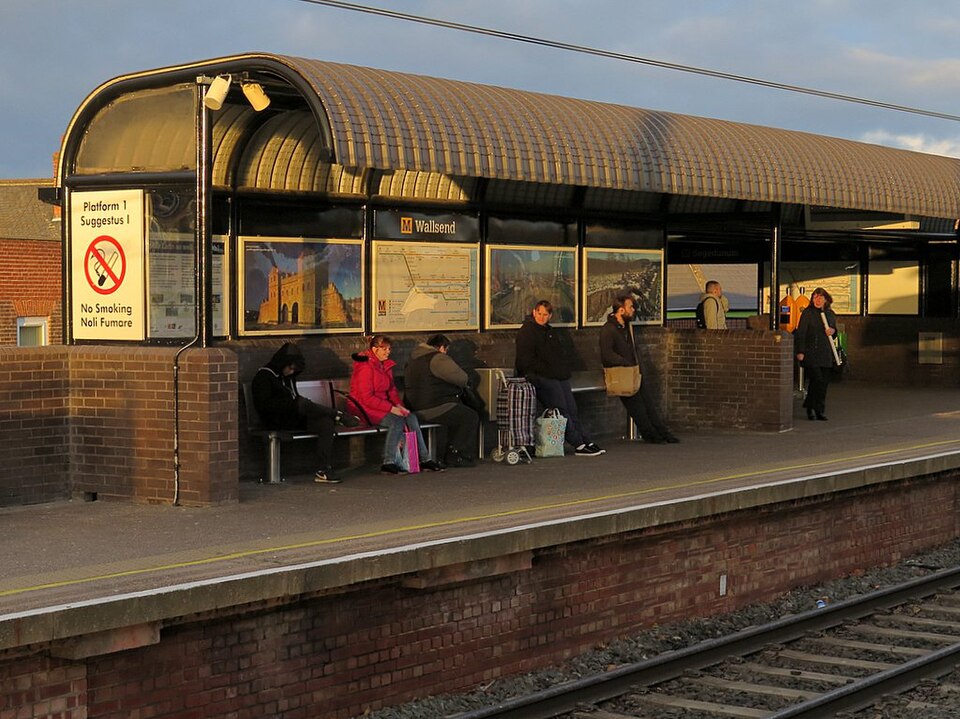
Wallsend
Wallsend sits on the north bank of the River Tyne in North Tyneside, forming part of the Tyneside conurbation, just east of Newcastle. Its name is delightfully literal: this is where Hadrian's Wall reached its eastern terminus. The Roman fort that once guarded that point was called Segedunum, and today the excavated site and its museum are among the town's proudest attractions, complete with a reconstructed bathhouse and a viewing tower overlooking the foundations.
For much of the modern era, though, Wallsend's identity was forged in steel and rivets rather than Roman stone. The town was a titan of shipbuilding, home to the Swan Hunter yard, where some of the most celebrated vessels of their day slid down the slipways — most famously the RMS Mauretania, which held the transatlantic speed record for two decades. Generations of local families depended on the yards, and the decline of shipbuilding left deep economic and cultural marks.
Wallsend is well connected, served by the Tyne and Wear Metro and sitting close to the Tyne Tunnel that links the river's two banks. It retains a strong, working-class Geordie character and a fierce sense of local pride. The town also has a notable musical son: Gordon Sumner, better known as Sting, grew up here in the shadow of the shipyards, an upbringing he has often woven into his songwriting. Between its Roman roots, its maritime heritage, and its ongoing regeneration efforts, Wallsend is a place where layers of English history sit visibly side by side.
Seaham
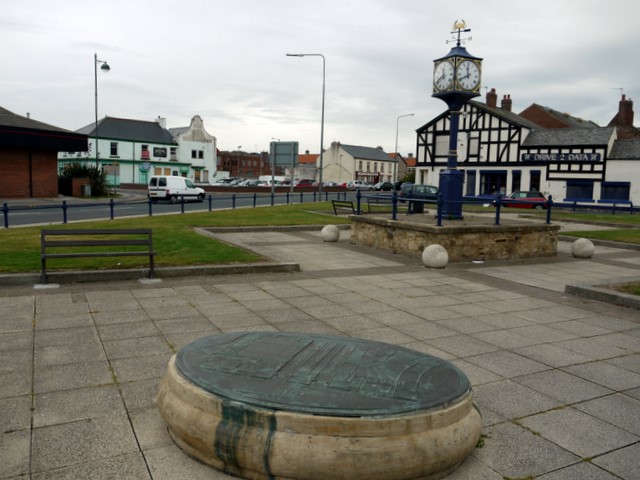
Seaham is a coastal town in County Durham, sitting on the North Sea a few miles south of Sunderland. Much of the town as it exists today owes its shape to the Londonderry family, who developed it in the nineteenth century, building a harbour to export coal from the surrounding pits. What had been a small clifftop village grew rapidly into a working colliery town, and mining dominated local life for well over a century until the last pits closed in the 1990s.
That coal-mining past left a distinctive legacy on the beaches. For decades, waste from the collieries was dumped along the coast, and while that sounds bleak, the sea has since worked a peculiar magic: Seaham's shores are now famous among collectors for sea glass. Fragments of glass from a former Victorian bottleworks have been tumbled smooth by the waves for generations, and people travel from far afield to hunt for the colourful pieces. Seaham has a literary footnote too. It was at Seaham Hall that the poet Lord Byron married Anne Isabella Milbanke in 1815, though the marriage proved famously unhappy and short-lived.
The town's seafront has seen considerable regeneration in recent years, with the marina, restored harbour, and a striking First World War memorial statue known locally as "Tommy" drawing visitors. Today Seaham blends its industrial heritage with a quieter identity as a place of coastal walks, beachcombing, and gradual renewal along a stretch of the Durham Heritage Coast.